
Latest Post
Faqs
Blogs
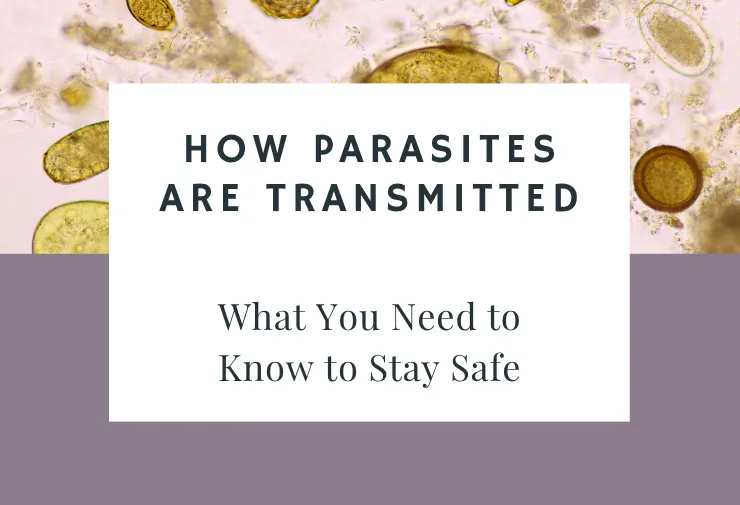
How Parasites Are Transmitted: 6 Hidden Sources & How to Stay Safe
How Parasites Are Transmitted: What You Need to Know to Stay Safe
Parasite infections are far more common than many people realize—and often overlooked as a root cause of persistent gut issues, fatigue, brain fog, and nutrient deficiencies. Understanding how parasites are transmitted is the first step in protecting yourself and your family from unwanted invaders.
In this post, we’ll explore the main ways parasites enter the human body, how to reduce your risk of exposure, and what signs to watch for if you suspect a parasitic infection.
🦠 What Are Parasites?
Parasites are organisms that live in or on a host and depend on that host for survival—often stealing nutrients, damaging tissues, and releasing toxic waste in the process. In humans, parasites may live in the intestines, blood, organs, skin, and even the brain.
There are three main types of parasites that infect humans:
Protozoa – microscopic single-celled organisms (e.g., Giardia, Entamoeba histolytica)
Helminths – larger parasitic worms (e.g., tapeworms, roundworms, flukes)
Ectoparasites – live on the surface of the skin (e.g., lice, mites, fleas)
🚨 How Parasites Are Transmitted
Let’s break down the most common ways parasitic infections are spread.
1. Contaminated Food and Water
This is one of the most frequent transmission routes worldwide.
Undercooked meat, especially pork and fish, may harbor tapeworms or Trichinella spiralis.
Raw vegetables and fruit that haven’t been properly washed can carry parasite eggs or larvae from contaminated soil or handling.
Drinking untreated water (from lakes, wells, or even tap water in some countries) may expose you to protozoa like Giardia or Cryptosporidium.
💡 Tip: Always cook meat thoroughly, wash produce, and consider filtering your drinking water.
2. Poor Hygiene and Hand-to-Mouth Transmission
Parasites can easily spread via hands, fingernails, or surfaces contaminated with parasite eggs or fecal matter.
This is a major source of pinworm infections, especially in children.
Bathroom surfaces, bed linens, doorknobs, and kitchen counters can all harbor infectious eggs if not properly sanitized.
💡 Tip: Wash hands often, keep fingernails trimmed, and sanitize surfaces regularly.
3. Walking Barefoot or Skin Contact with Soil
Certain parasites like hookworms can enter the body through the skin, particularly the soles of the feet.
Walking barefoot in contaminated soil (gardens, sandboxes, beaches) is a common source of infection in both children and adults.
Some parasites can also enter via skin contact during outdoor activities like hiking or farming.
💡 Tip: Wear shoes outdoors and wash feet thoroughly after gardening or playing in dirt.
4. Insect Bites
Some parasites are transmitted by mosquitoes, flies, and other insects, especially in tropical regions.
Examples include:
Plasmodium (malaria) via mosquitoes
Leishmania via sandflies
Trypanosoma (Chagas disease) via kissing bugs
💡 Tip: Use insect repellent, sleep under mosquito nets in endemic areas, and avoid outdoor exposure at dawn/dusk.
5. Person-to-Person Transmission
Parasites like Giardia or pinworms can spread directly between people, especially in close living environments.
Daycares, nursing homes, shared bathrooms, and group housing can all contribute to transmission.
Pinworm eggs can live on bedding and clothing, making reinfection or spread to others easy.
💡 Tip: Treat all household members if one person is infected and wash all bedding and clothing in hot water.
6. Pet and Animal Contact
Our furry friends can carry and transmit parasites.
Dogs and cats may pass along roundworms, tapeworms, or Giardia.
Contact with animal feces, fur, or saliva can all be sources of exposure.
💡 Tip: Practice good pet hygiene, wash hands after handling pets, and deworm animals regularly.
⚠️ High-Risk Situations for Parasite Exposure
You may be more vulnerable to parasite exposure if you:
Travel to developing countries
Swim in lakes, rivers, or poorly maintained pools
Eat sushi or undercooked meat frequently
Live or work in crowded environments
Have pets or farm animals
Have a weakened immune system or gut imbalance
🧪 How Do You Know If You Have Parasites?
Many people have parasite infections without knowing it—symptoms may be vague or mimic other conditions. Common signs include:
Chronic bloating, gas, or irregular bowel movements
Skin rashes or itching
Brain fog, fatigue, or mood changes
Teeth grinding (especially at night)
Intense food cravings or appetite changes
Nutrient deficiencies (iron, B12, zinc, etc.)
If you suspect parasites, functional lab testing can detect eggs, larvae, and other markers of infection. Options include GI-MAP, Organic Acids Testing (OAT), and bloodwork.
🧼 How to Reduce Your Risk
Here are simple but powerful ways to reduce your risk of parasite exposure:
✅ Wash hands regularly (especially after using the bathroom or handling pets)
✅ Drink filtered or boiled water when unsure of water quality
✅ Cook all meats to safe internal temperatures
✅ Peel and wash raw produce thoroughly
✅ Wear shoes outdoors
✅ Deworm pets regularly and keep their living areas clean
✅ Avoid high-risk travel foods like salads, ice, or undercooked meats
🧬 What to Do If You Think You Have Parasites
If you’re showing signs of a potential parasite infection, don’t guess—test. At Ultimate Functional Medicine, we offer advanced stool testing, organic acid profiles, and personalized parasite-cleansing protocols.
Our approach includes:
Targeted anti-parasitic botanicals (like Mimosa Pudica and black walnut)
Gut-healing nutrients
Binders to safely remove biotoxins
Lifestyle guidance and ongoing support
🛡️ Final Thoughts
Parasite infections are more common—and more disruptive—than most people think. By understanding how parasites are transmitted and taking steps to prevent exposure, you can protect your gut, brain, immune system, and long-term vitality.
If you’re dealing with unexplained symptoms and suspect a hidden infection may be at the root, we’re here to help.
💬 Ready to uncover the root cause of your symptoms?
Book your Functional Medicine Discovery Call today and find out if parasites could be sabotaging your health.

Glow Effortlessly! Book Your Skin & Lash Experience Today!






Unwind, rejuvenate, and embrace your beauty with our exceptional spa treatments tailored just for you.


Opening hours
Mon - Wed : 9AM - 4PM
Sunday: 9AM - 4PM
Monday: 9AM - 4PM
© Ultimate Functional Medicine 2026 All Rights Reserved.